
The Conversation Every Parent Needs to Have
How parents and caregivers can spot the signs and start the conversation.
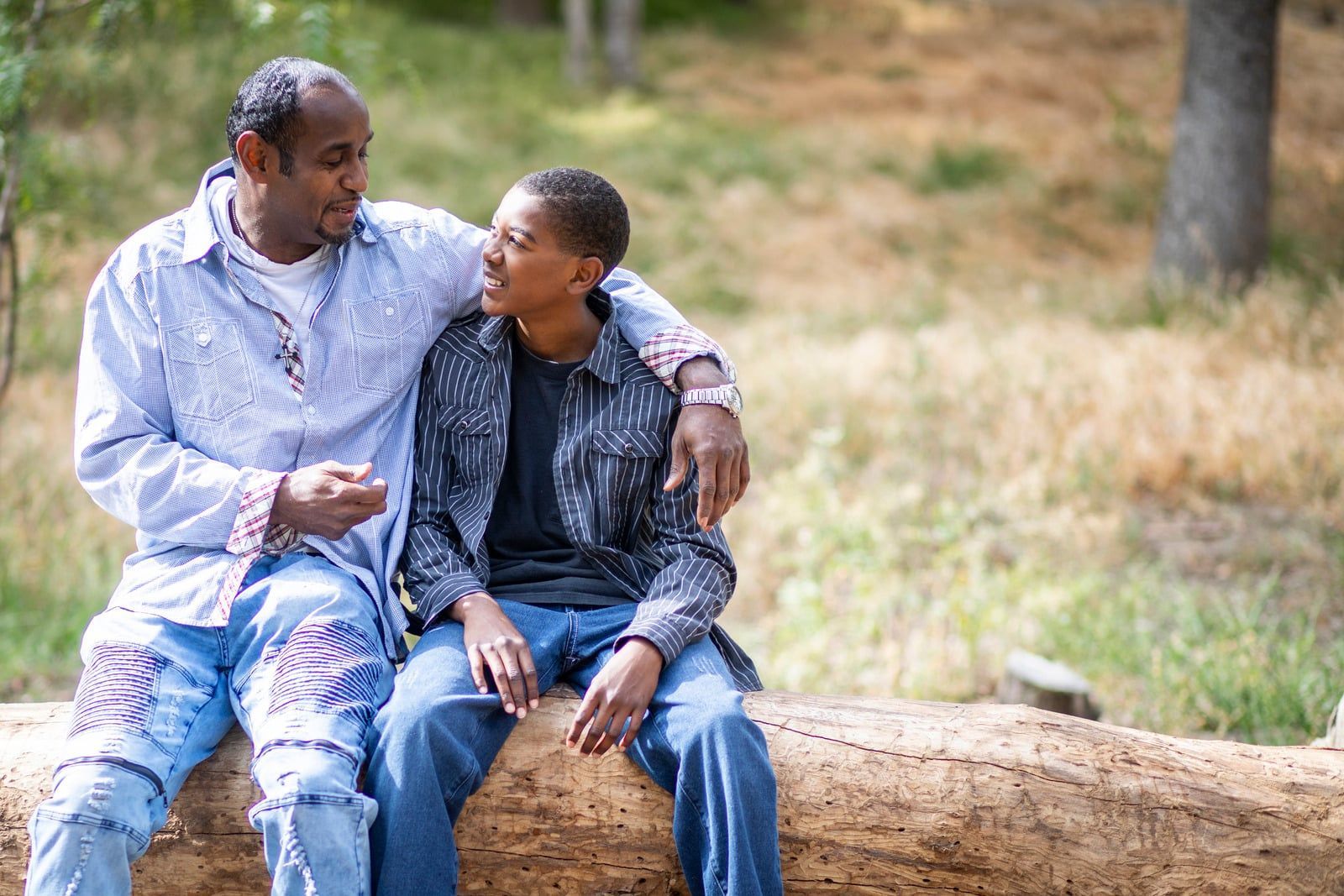
Every September, the country turns its attention to suicide prevention. This year, the Substance Abuse and Mental Health Services Administration, the national organization behind the observance, set the theme as "Stronger Together: Connect. Support. Prevent."
It's a good theme. And it gets something right that we see in our work every day: prevention doesn't start in a crisis. It starts long before one, in the relationships, the check-ins, the ordinary moments of connection that make a young person feel like they belong somewhere.
That's the part of this conversation that belongs to all of us. Especially parents.
Prevention Doesn't Start in a Crisis
Here's what the national messaging keeps coming back to, and it's worth sitting with: suicide prevention is not one moment or one person's job. It lives in the relationships we build, the support we offer, and the communities we create together.
For a young person, that looks unremarkable from the outside. It's the text that says "I was thinking about you." The invitation that keeps coming even after they've declined a few times. The adult who notices the silence. The "I'm fine" that gets asked about twice.
None of us can always know what a young person is carrying. But we can build the kind of home where they don't have to carry it completely alone. That is what "stronger together" actually means: not a slogan, but a practice.
The Numbers Deserve Our Honest Attention
Suicide remains a leading cause of death among young people. In the Centers for Disease Control and Prevention's 2023 Youth Risk Behavior Survey, 9% of high school students reported attempting suicide during the previous year.
But there is movement worth naming: SAMHSA's 2025 national survey found declines in serious suicidal thoughts, plans, and attempts among adolescents ages 12 to 17. Progress is possible. The work, the connecting, the supporting, the preventing, is working.
And one finding should live in every caregiver's pocket: young people with at least one supportive adult in their life are dramatically less likely to attempt suicide. For LGBTQ+ youth, that number is 40%. Not a program. One adult. A parent, a caregiver, an auntie, a grandparent. That could be you.
Support Means Knowing Where to Turn Before You Need It
One of the national theme's core messages is simple: make sure everyone knows where to turn, and knows it before they need it.
So let's say it plainly, the way you'd want someone to say it to you: if your child is struggling, you don't have to wait for a crisis to reach out. This year's 988 message puts it well: "Your Reason is Reason Enough." You don't have to be in crisis to call or text 988. Whatever your family is facing, that reason is reason enough.
Put the number where you'll find it. Save it in your phone tonight: 988, call or text, 24 hours a day, in English and Spanish. Knowing it exists is prevention. Using it early is prevention.
What This Looks Like at Home
Connect. Build the relationship before you need it. Ask real questions on ordinary days, so the hard days do not feel like the first time you have asked.
Notice. Young people rarely announce what they are carrying. They show it: the friend group that shifts, the grades that slide, the loud kid going quiet or the quiet kid going numb. You do not need clinical training to notice. You just need to be the adult who does not look away.
Ask. If something feels off, ask directly: "Have you had thoughts about hurting yourself?" Asking does not plant the idea. It opens the door.
Stay. Do not fix it in the first thirty seconds. Listen longer than feels comfortable. Then bring help in: a counselor, a pediatrician, a crisis line. Supporting your child includes letting professionals support both of you.
Where H.Y.P.E. Fits
This is the work our team does every day, and it's why carrying this national theme forward matters to us. H.Y.P.E. of Lucas provides community-based behavioral health services for children and teens ages 5 to 17 and their families across Northwest Ohio: individual and family counseling, group services, case management, diagnostic assessments, and treatment plans built around your child, not a template.
And you don't have to navigate the rest alone. Our resources page pulls together the supports families actually ask us about: Zepf Center's youth crisis services, including 24/7 crisis stabilization for ages 10 to 17 and mobile response right here in Lucas County, plus the Safer Ohio School Tip Line, OhioRISE for youth with complex behavioral health needs, the Trevor Project, the Crisis Text Line, and Partnership to End Addiction for parents worried about substance use. Start at hypeoflucas.com/resources.
If you're a parent or caregiver and something in this post sounded familiar, if your gut has been telling you something is off, trust it. Explore our services at www.hypeoflucas.com/HYPE-Services and take the next step.
Stronger together is not just September's theme. It is how we have always done this work.
Sources:
SAMHSA Suicide Prevention Awareness Month 2026;
SAMHSA 2025 National Survey on Drug Use and Health;
CDC 2023 Youth Risk Behavior Survey;
The Trevor Project;
988 Suicide & Crisis Lifeline;
H.Y.P.E. of Lucas resources