
Protecting Youth Wellness Starts With Us
What young people need from the adults, systems, and communities shaping their lives.
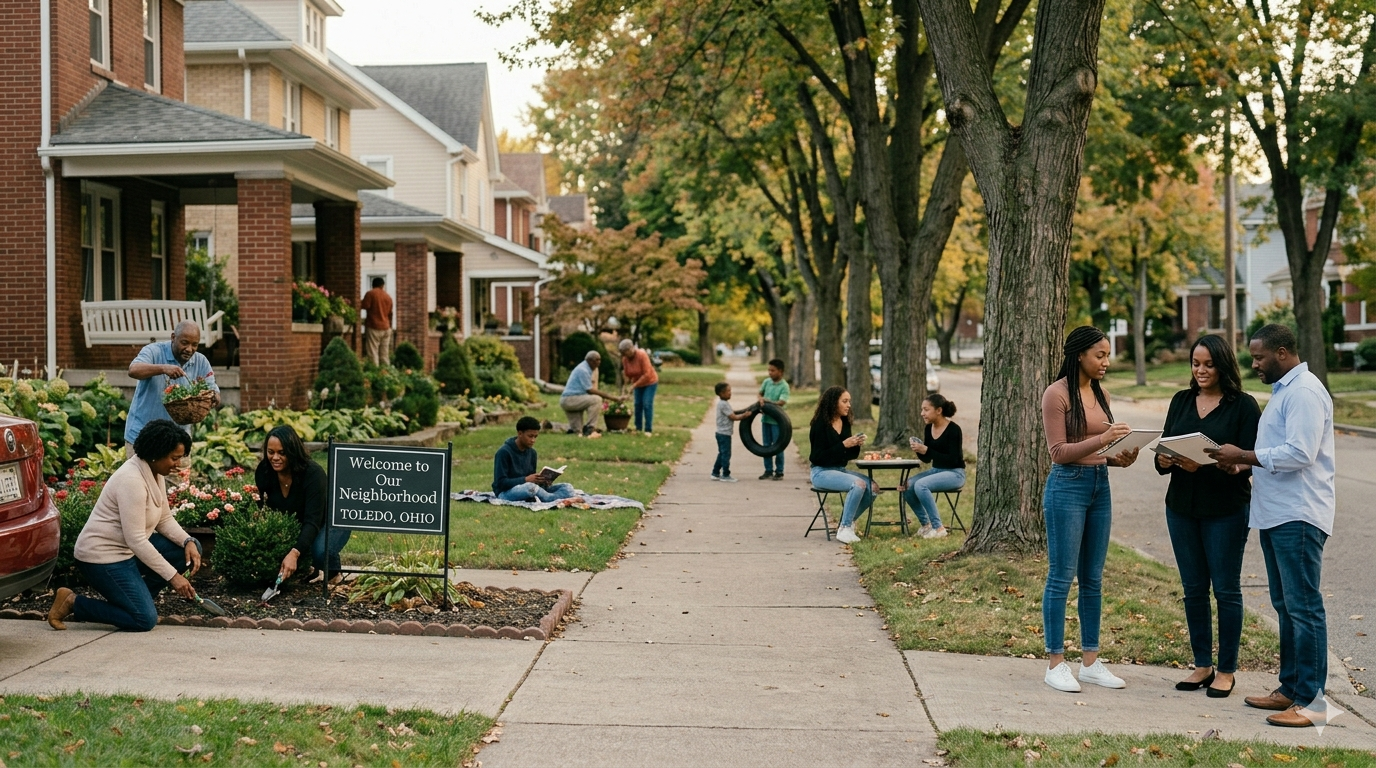
April brings attention to Minority Health Month and Stress Awareness Month, but for many young people, these are not separate issues, and they are not seasonal conversations. The way young people experience health, stress, and safety is shaped every day by the adults, systems, and communities around them.
That matters because young people do not grow in a vacuum. They are shaped by what they see, what they feel, what they are exposed to, and what the people around them choose to notice or ignore. Their wellness is not only about what is happening inside of them. It is also about what is happening around them. It is about whether they are surrounded by care or chaos, trust or tension, protection or pressure.
As adults, our role is not just to correct young people after something goes wrong. Our role is to help protect their wellness while they are still becoming. That means paying attention to what they are carrying, what they are exposed to, and whether the environments around them are truly helping them grow.
Too often, adults step in only after there has been a problem, a conflict, a breakdown, or a visible sign that something is off. But youth wellness deserves more than a reaction. It deserves intention. It deserves adults who understand that development is happening in real time and that young people need more than consequences, warnings, and cleanup after the fact. They need support while they are still building confidence, learning boundaries, shaping identity, and figuring out how to move through a world that can ask a lot from them too early.
When support is inconsistent, when stress is high, when trust is broken, or when the people and systems around young people fail to handle them with care, that impacts wellness too. And if we are serious about helping young people excel, then we have to be just as serious about helping protect their peace, their development, and their sense of safety.
Young people feel when support is shaky. They feel when adults are distracted, overwhelmed, disconnected, or only half paying attention. They feel when the spaces around them are tense. They feel when trust has been chipped away. And they feel when the people or systems that should be helping guide them handle them too harshly, too casually, or without enough care.
That kind of impact does not always show up in dramatic ways. Sometimes it shows up quietly. A young person gets quieter. More reactive. Less motivated. More guarded. Their focus slips. Their confidence changes. Their behavior shifts. Their patience gets shorter. Their hope gets dimmer. Sometimes adults label those shifts before they try to understand them. But behavior does not come out of nowhere, and wellness does not fall apart all at once.
Young people need more than rules. More than lectures. More than people telling them to be careful. They need adults who are paying attention. Adults who understand that wellness is not only about what happens inside a young person, but also about what is happening around them.
That means adults who listen beyond the surface. Adults who know how to look at the full picture. Adults who understand that a young person may be responding not only to everyday growing pains, but also to stress in the home, tension in relationships, instability in the community, broken trust, inconsistent support, or environments that do not always feel as safe or as nurturing as they should.
And for many young people, especially those growing up in communities where access has never been equal, these pressures do not arrive one at a time. They stack. They overlap. They build. That is one reason Minority Health Month and Stress Awareness Month belong in the same conversation. Because when care is harder to access, when support is harder to trust, and when families are left to work around gaps that should not be there in the first place, the weight lands somewhere. Young people feel that too.
That is part of the work. Not extra. Not optional. Part of the work.
At H.Y.P.E. of Lucas, we provide behavioral health services, case management, and youth-centered support for young people ages 5 to 17 in Lucas County, with additional support available throughout Ohio through partner programs. We support young people in ways that are practical, personal, and shaped by what is really happening around them. We understand that young people do not grow in isolation, and their wellness does not either.
That means our work is not limited to checking boxes or going through motions. It means building relationships that make room for honesty. It means showing up with consistency. It means recognizing that support has to connect to real life in order to matter. Young people need care that makes sense in the context of their actual world, not just on paper.
We also know that helping young people excel is not about pushing them to perform while ignoring what is pressing in on them. Real growth needs support. Real confidence needs stability. Real wellness needs environments that do not constantly work against what we say we want for them.
Supporting young people means more than showing up after the damage is done. It means helping create the kind of care, consistency, and community that protects their wellness in the first place.
That is where adult responsibility comes in. Families matter. Providers matter. Schools matter. Community members matter. The tone we set, the safety we create, the patience we practice, and the care we give all help shape what young people are learning about themselves and the world around them. If we want stronger outcomes for young people, then we have to take seriously the conditions they are developing inside of.
Protecting youth wellness starts long before a crisis. It starts in what we normalize, what we overlook, what we interrupt, and what we choose to build around young people every day. It starts with adults who are willing to be more consistent, more thoughtful, more aware, and more protective of what is still developing.
At H.Y.P.E., that is the commitment. Not just during April. Not just when awareness campaigns come around. Every day.
To learn more about H.Y.P.E. of Lucas and the support available for young people and families in Lucas County and beyond with our partner programs, visit our services.