
People Remember How You Treat Them
Everyday interactions shape how young people feel, respond, and grow
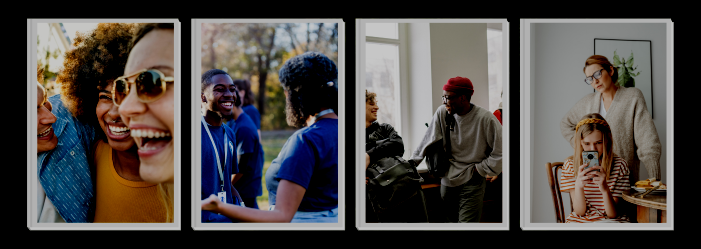
People notice more than we think. Not just the big moments, but the small ones too. The way we speak, the way we respond, and the tone we use when we are tired or frustrated all stay with people.
Whether someone is 7, 17, or raising a child, that truth does not really change. The way we treat people matters.
It also plays a role in mental and emotional well-being. Young people are learning how to understand their feelings, build relationships, and figure out who they are. The way they are treated, and how they treat others, becomes part of that process.
For Younger Children
For younger kids, this shows up in simple ways. Sharing 🤝 taking turns ⏳ letting someone join in 👥 and choosing kind words over hurtful ones 💬
These moments may seem small, but they help shape how children understand connection and belonging. When children feel included and respected, it supports confidence and emotional growth.
Parents and caregivers help guide this every day. Children are always watching 👀 They notice how adults speak to them and how adults speak to others. Those everyday moments become their example 🌱
For Teens
As kids grow, things become more complex. It is not just about sharing anymore. It is about how you talk to your friends, how you respond when you are upset, and how you handle different situations.
It also shows up online 📱 what you say, how you say it, and how you react all matter. These interactions can affect confidence, stress, and how comfortable someone feels being themselves.
Teens are also figuring out identity. A big part of that comes from how they treat people and how people treat them in return.
Respect is not just something you ask for. It is something you show. And people notice that 👀
For Parents and Caregivers
For adults, this matters just as much. It is easy to focus on correcting behavior, but it is just as important to look at what is being modeled.
How do we speak when we are stressed 😮💨 How do we handle conflict 🤔 What tone do we use at home 🏡
Children and teens do not just listen. They absorb what they see and hear. The environment at home often becomes the standard they carry with them into school, friendships, and other areas of life.
This is not about being perfect. It is about being aware and intentional in everyday interactions.
When Support Helps
Sometimes young people and families need extra support, and that is a normal part of growth.
Learning how to manage emotions, communicate clearly, and build healthy relationships takes time. It is not something anyone has to figure out on their own.
Support services can help strengthen these skills in real-life situations.
Case management helps families stay connected to resources, build structure, and stay supported day to day 🤝
Therapy provides a safe space for young people to talk, process emotions, and learn ways to handle situations in a healthy way 💬
Respite services give caregivers time to rest and recharge, which helps create a more balanced and supportive home environment 🏡
These supports are not about fixing something that is broken. They are about strengthening what is already there and helping young people continue to grow.
Why It Matters
The way people treat each other shapes more than just a moment. It affects how young people feel about themselves and the world around them.
It can influence confidence, stress levels, and how safe someone feels being themselves.
When young people feel respected, they are more likely to open up 💬 feel comfortable 😊 and build healthy relationships 🤍
When those moments are negative, it can lead to frustration, withdrawal, or lower confidence over time.
That is why these everyday interactions matter so much. They are directly connected to mental and emotional well-being.
Moving Forward
No one gets it right all the time, and that is part of being human. What matters is paying attention and making small adjustments along the way.
The way you treat people follows you. It shapes your relationships, your environment, and the kind of person you are becoming.
And people remember that ✨